Dear Reader (2026-07-27 published simultaneously on FB),
Today’s post is the beverage one for my recent 2 week tour of Mongolia with Offbeat Photography (https://offbeatphoto.ca/) led by the talented, kind, and generous team of Kris Andres and Paul Zizka. Rounding out the band we were a chorus of of 11 photographers, a pair of local guides, and 6 local drivers for the 5 Toyota land cruisers and a Russian made van. Yes, Toyota owns the dessert. I think there will be 8 to 10 posts in this series, and as usual, posts will be presented at random intervals.
Three Nouns
Dragons, Camels, Dunes
Flights
~ Calgary -> Vancouver -> Seoul -> Ulaanbaatar (Westjet, Korea Airlines, Korea Airlines)
~ Ulaanbaatar -> Seoul -> Calgary (Korea Airlines, Westjet)
~ all flights were cattle class
The return trip began with a flight on Korea Airlines with a staff and service level that made the flight pleasant. The key word for staff and service on the following West Jet flight was reluctant – Ah Well – some airlines treat cattle better than others.
A Brief and Barely Viable Introduction to Mongolia
~ The simplified shape of Mongolia is a semi circle lying horizontally just east of Kazakhstan. Kazakhstan and western Mongolia are separated by a distance of less than 40 km. The flat edge of the semi-circle borders Russia and the round edge borders China.
~ The capital of Mongolia is Ulaanbaatar, which is situated to the right and above the centre of the semi-circle.
~ Mongolia is the second largest land locked country next to Kazakhstan. Mongolia is roughly 2.5 times the size of Alberta by area.
~ Population: About 3.5 million and half of those live in Ulaanbaatar.
~ Though the USSR had a strong presence and influence on Mongolia, Mongolia was never a province of the USSR. Neither was it a province of China. By mutual formal or informal agreement it was to both China’s and USSR’s benefit to use Mongolia as a buffer between the two.
~ Mongolia is the first “oriental” country I have visited and it feels very different from the Stans of central Asia. The dominant religion is Buddhism (of which there are many flavours), which has been layered atop ancient local beliefs. Mongolian’s appear to be much less stressed than Koreans who, based on my limited experience in airports, are very particular about how things must be done. Facial characteristics are distinctly Mongolian, and are definitely not European. In Ulaanbaatar, South Korea appeared to be the biggest fashion influence.
Beer of Choice
~ Golden Gobi and available cold at nearly all of our ger camps
Ger Camps
A ger is a the Mongolian equivalent of a yurt. Once we left Ulaanbaatar, with one exception, we slept in tourist ger camps, where there would be two to four dozen gers set up in rows. Each ger would sleep up to four people. In our case though there was never more tan two people per ger. Washrooms and the dining room were in separate buildings. The water for showers was generally warm enough. I did have one particularly bracing shower.
Highways and Biways
Our route took the shape of a long stretched rain drop falling south from Ulaanbaatar into the Gobi desert. By the time we returned to Ulaanbaatar we had travelled approximately 2,000 km. The route began and ended on paved roads. The paved roads gave way to gravel roads which in turn gave way to routes (certainly nothing even remotely resembling a road).
Notes on Photos
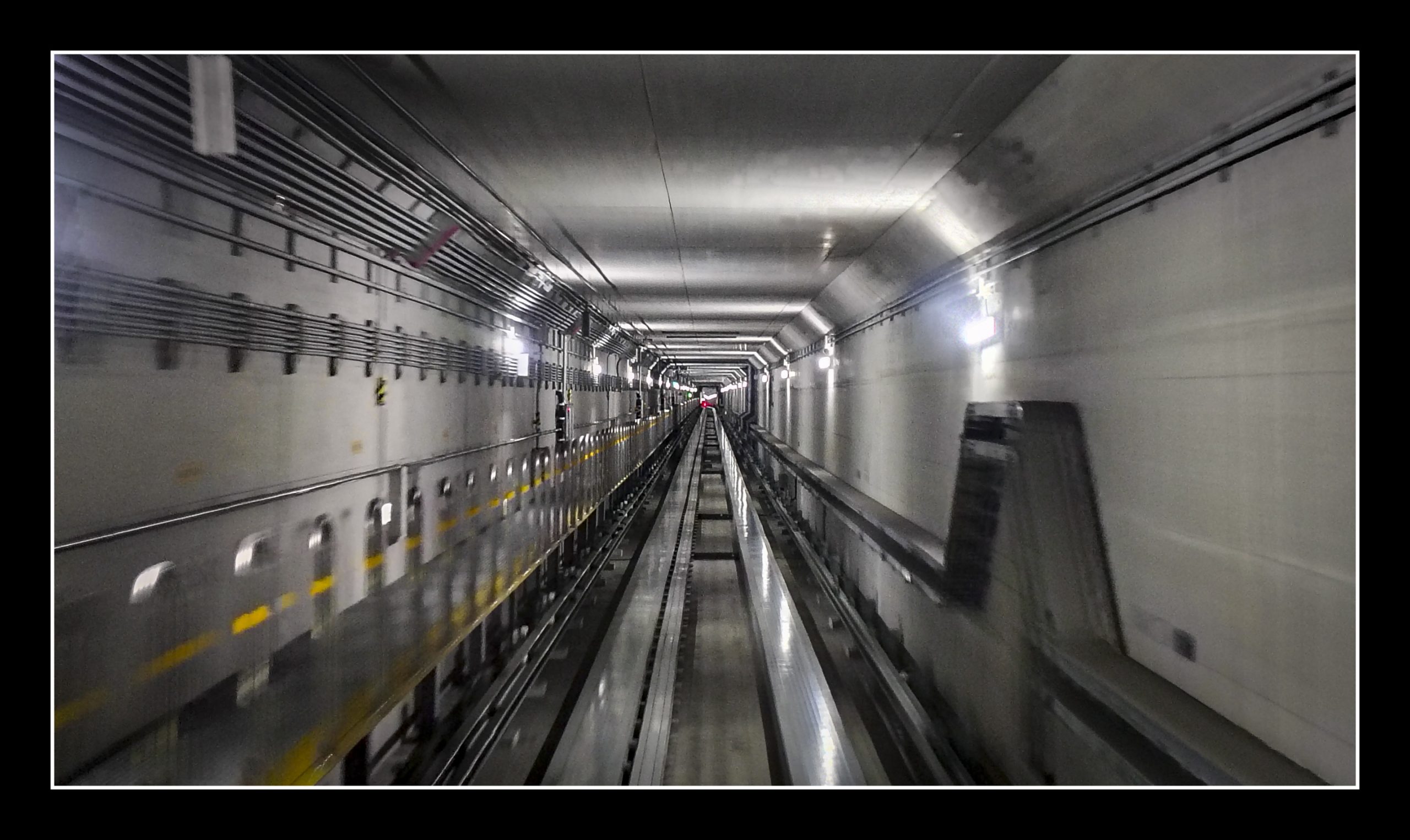
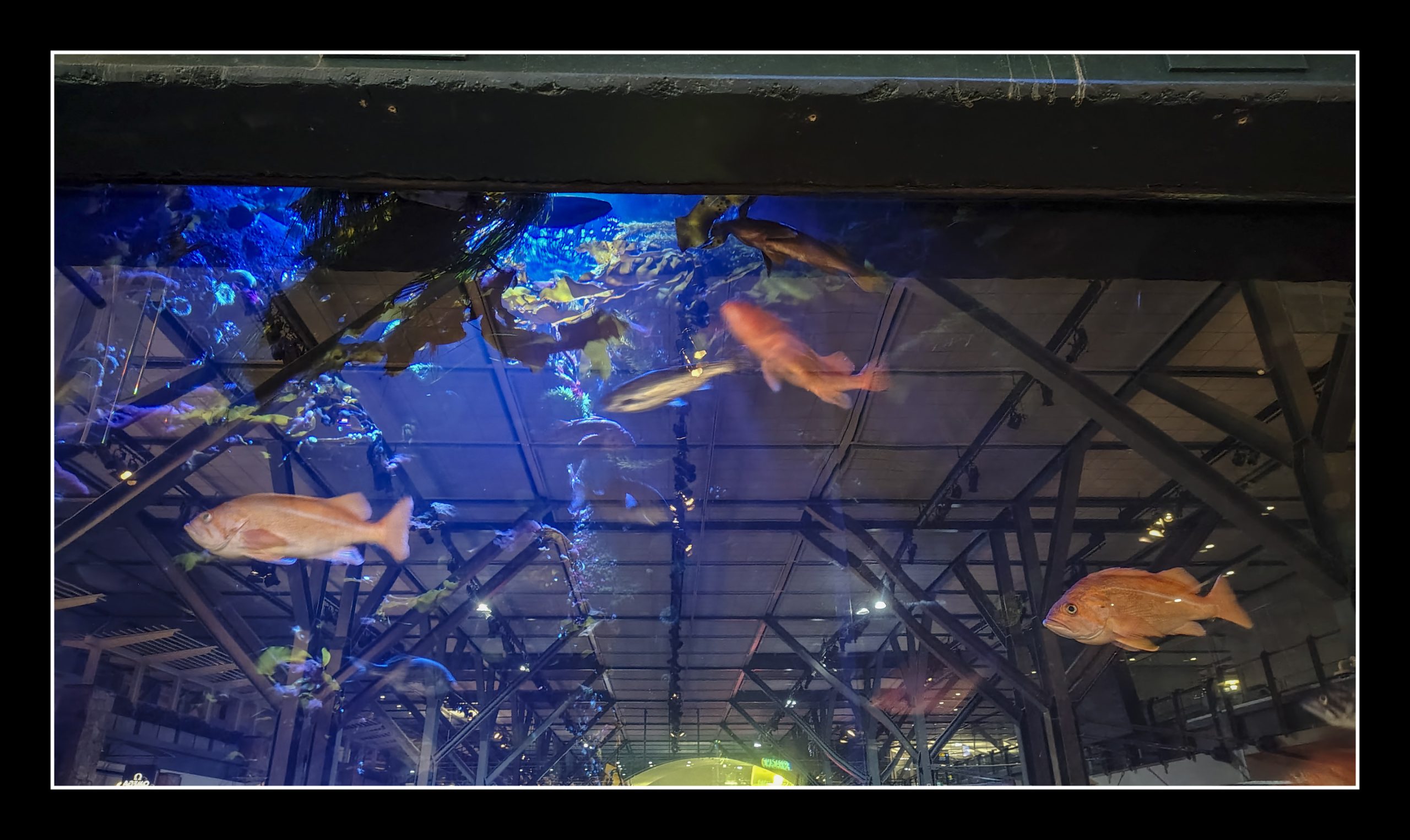
~ 01 – Vancouver airport
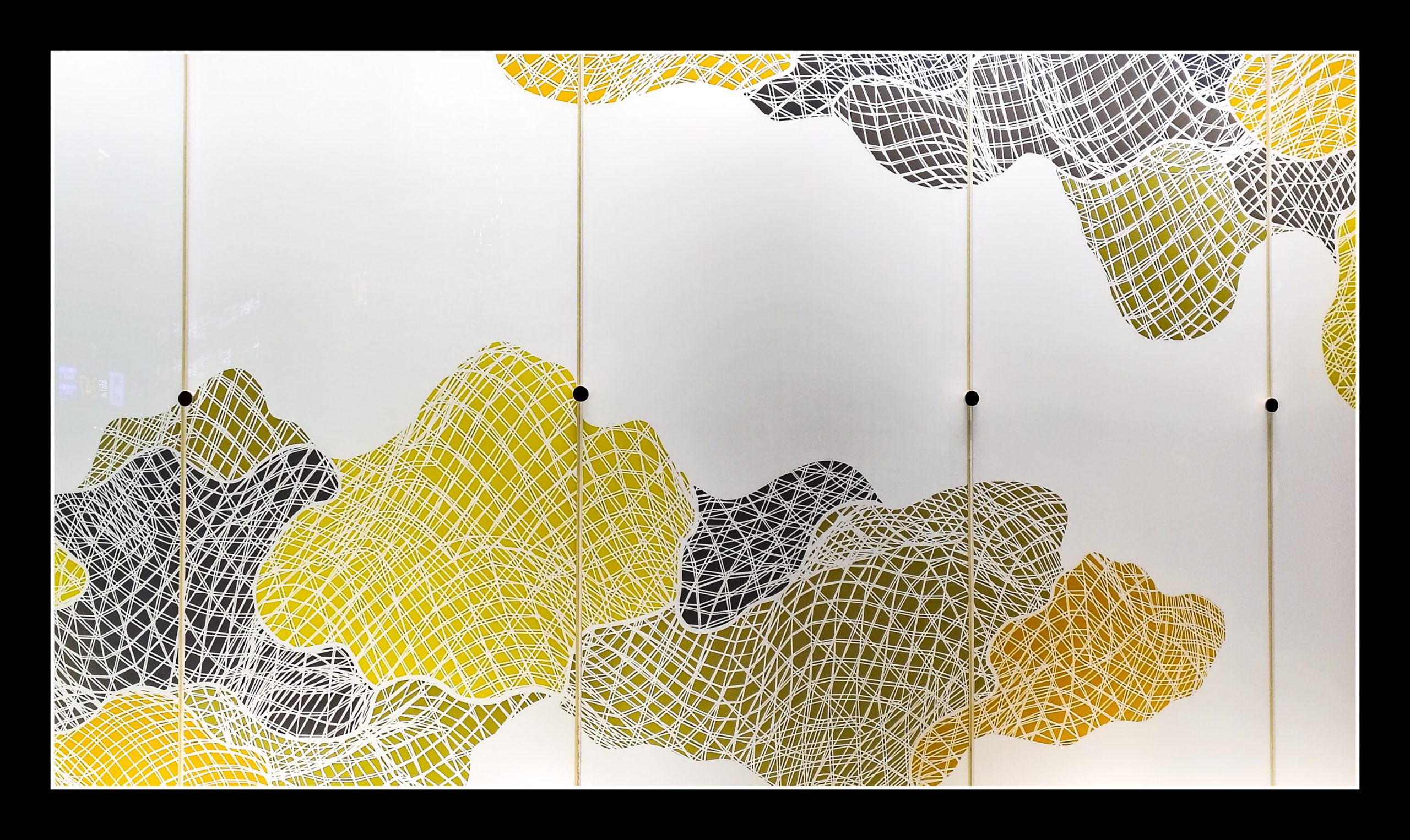
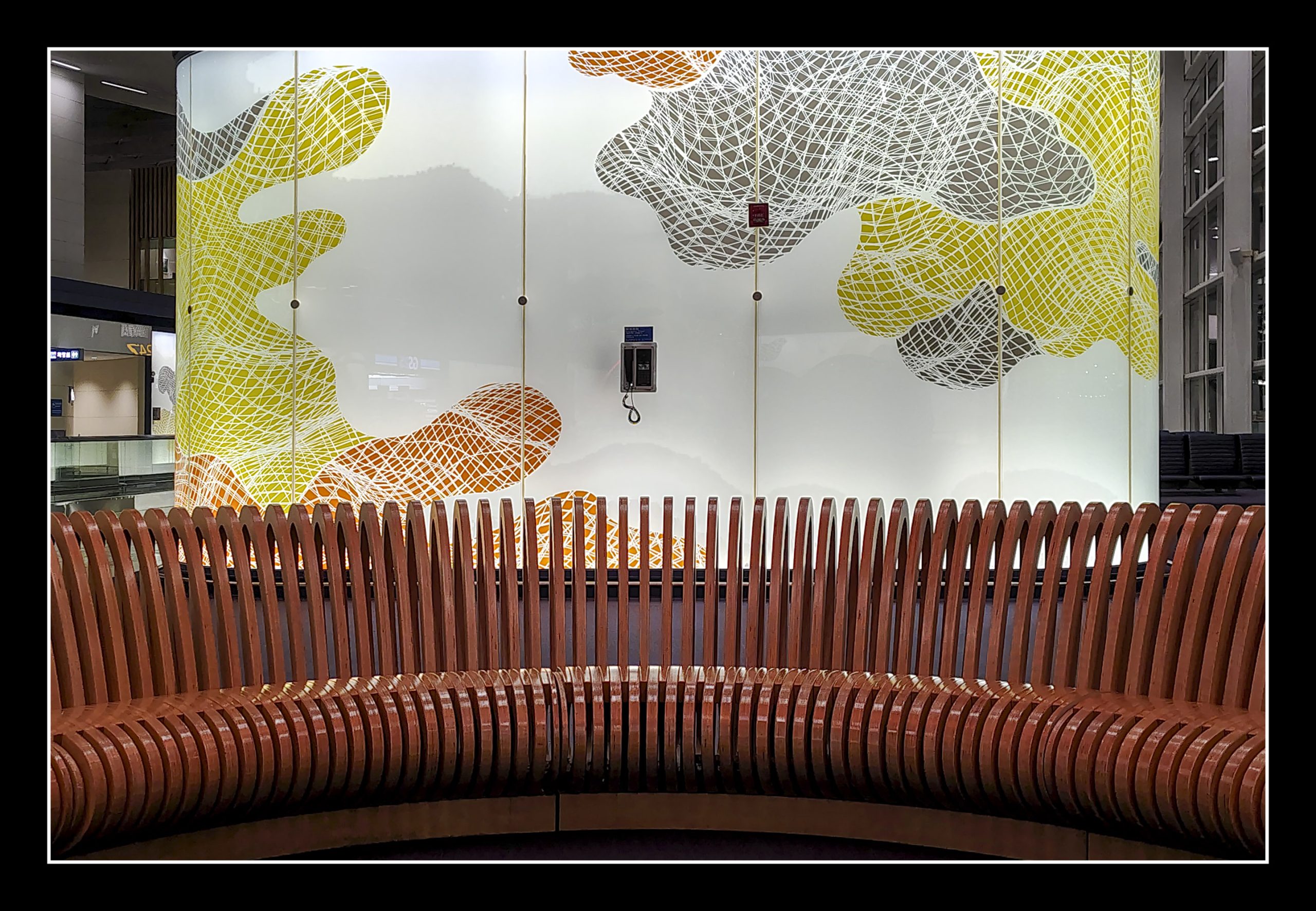
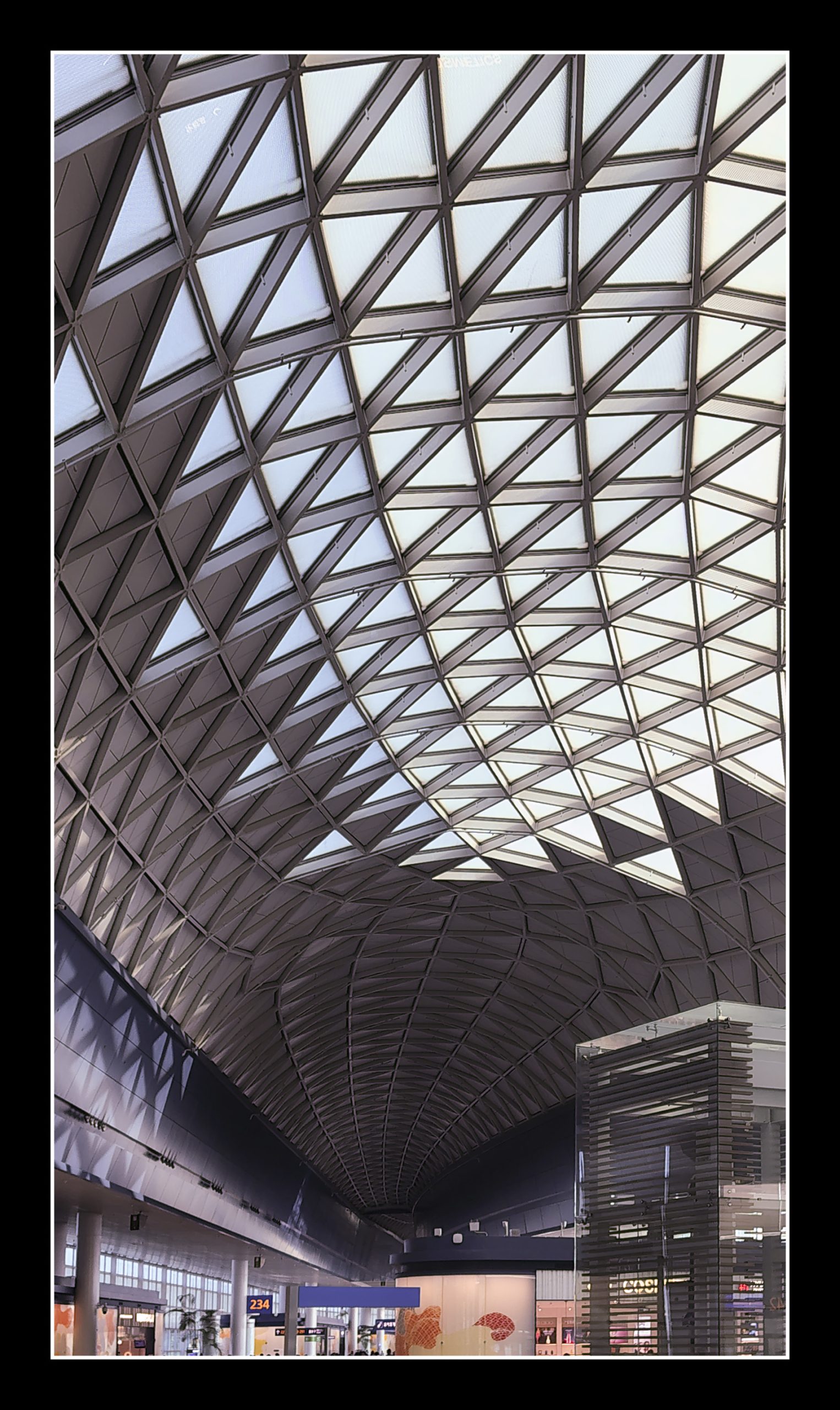
~ 02 to 05 – Seoul International Airport
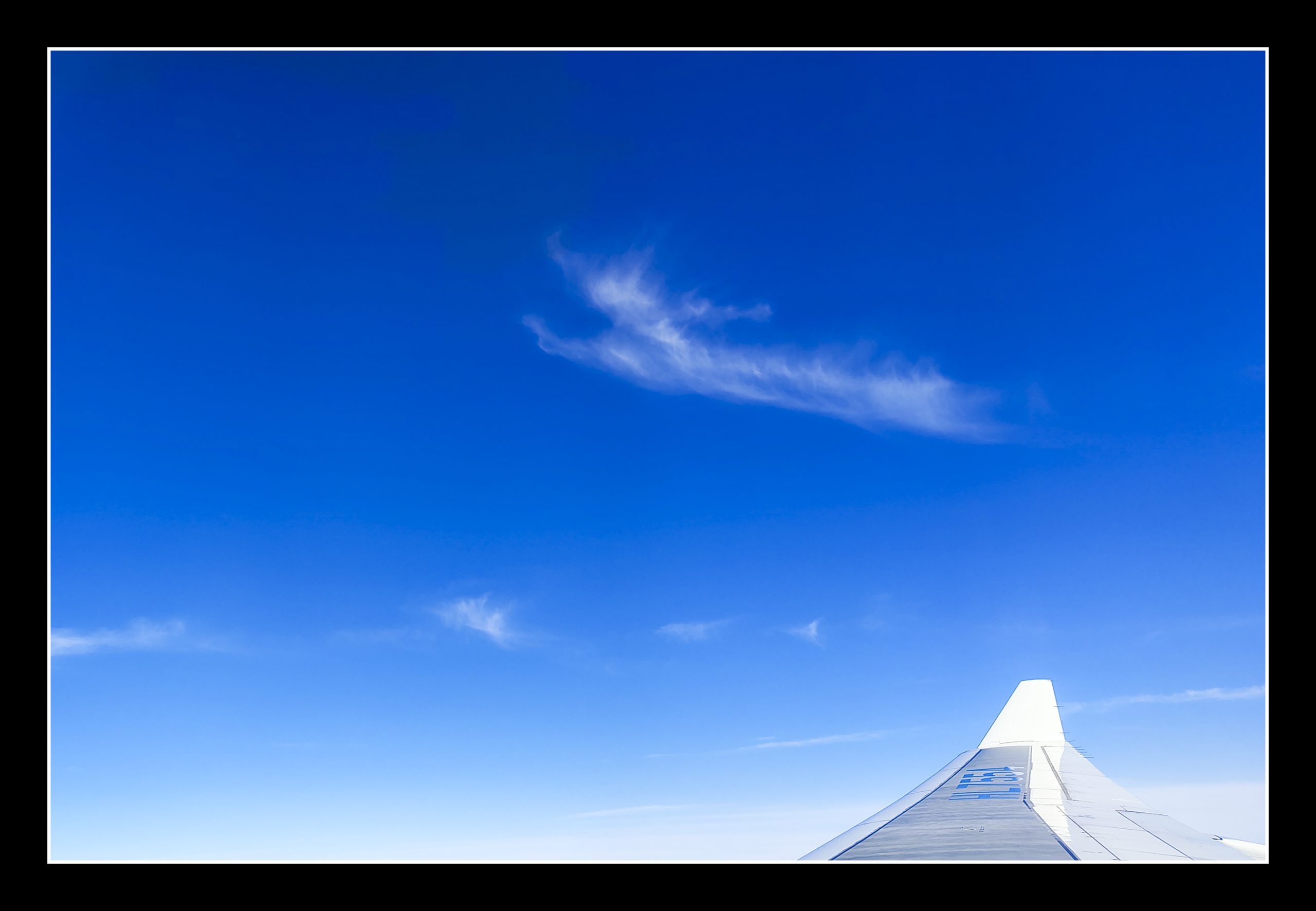
~ 06 – One last dragon on the way home.
You are welcome to share a link to this page with others.
As always, all comments are welcome and sought.
Cheers, Sean
My note on privacy can be found under the “About” menu item, and if you would like to subscribe to this blog please enter your email.
All rights for all material on any and all media and technologies reserved – © Sean P Drysdale 2017-2026