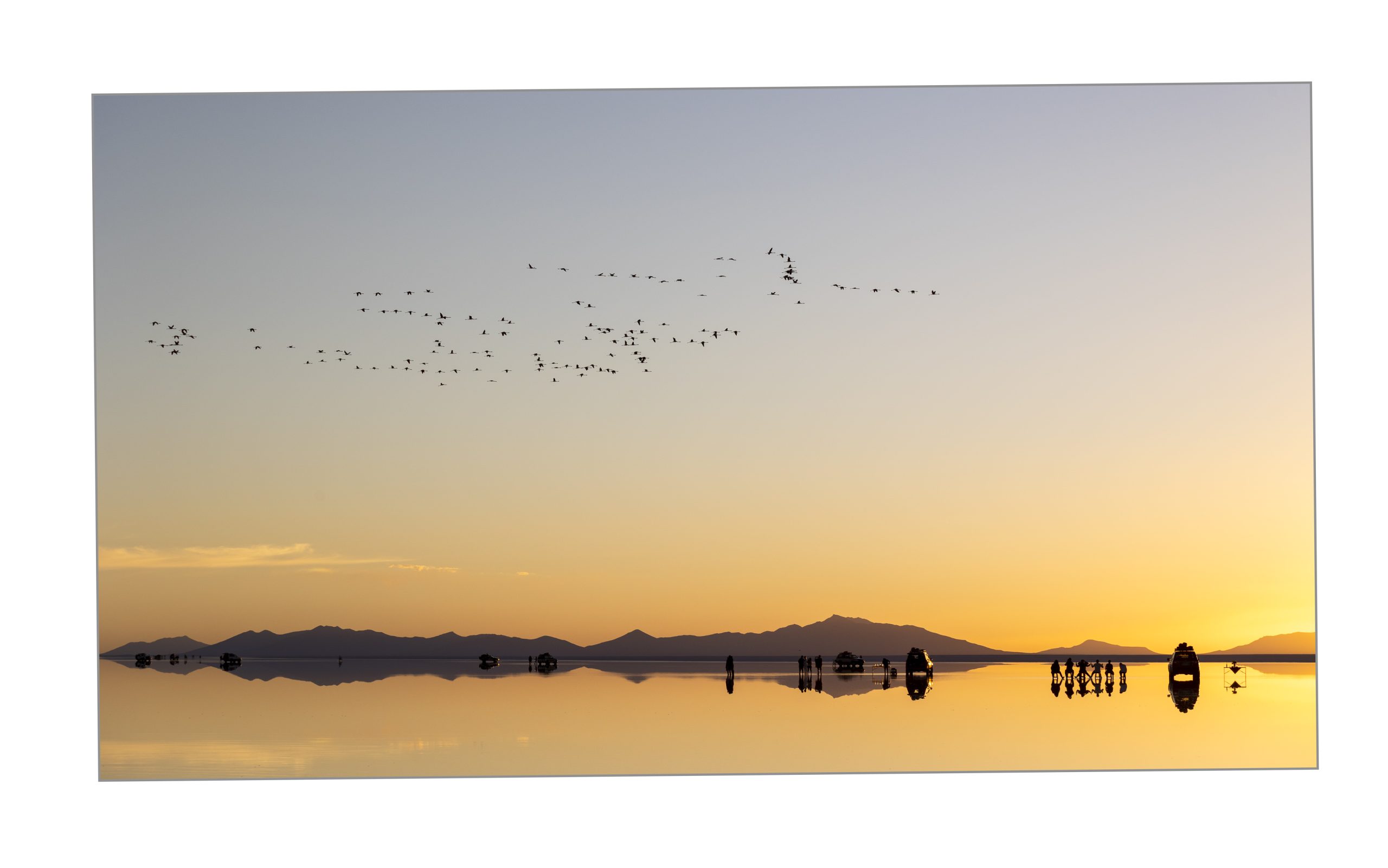
Dear Reader (2026-04-19 posted simultaneously to FB),
My most recent editing challenge is now complete, and now it is time for a beverage post. You know what to do first, or of course you can bypass the beverage, context, and jump directly to the images. I do though suggest that you at least read the last context section, The Editing Challenge.
Three Nouns
Salt, Flamingo, Altitude
Background
After spending 2 weeks with my travelling companion on Rapa Nui and in Chile, he returned home as planned, and I flew to La Paz, Bolivia. After one night in La Paz, I flew an hour south to Uyuni to start my Offbeat Photography (https://offbeatphoto.ca/) tour of Bolivia. Our band of 15 photographers was led by the talented, kind, and generous team of Dave Brosha and Paul Zizka. Rounding out the band, was the local guide, and 6 local drivers for the 6 Toyota land cruisers. This was further proof that globally, Toyota owns the desert. The Offbeat tour began and ended in Uyuni, Bolivia. Over the course of 11 days we explored the salt flats and train cemetery just outside of Uyuni. From there we drove south to a national park that borders Chile and Argentine. On the way there and back we stopped and explored many a wonderous location.
Context – Roads
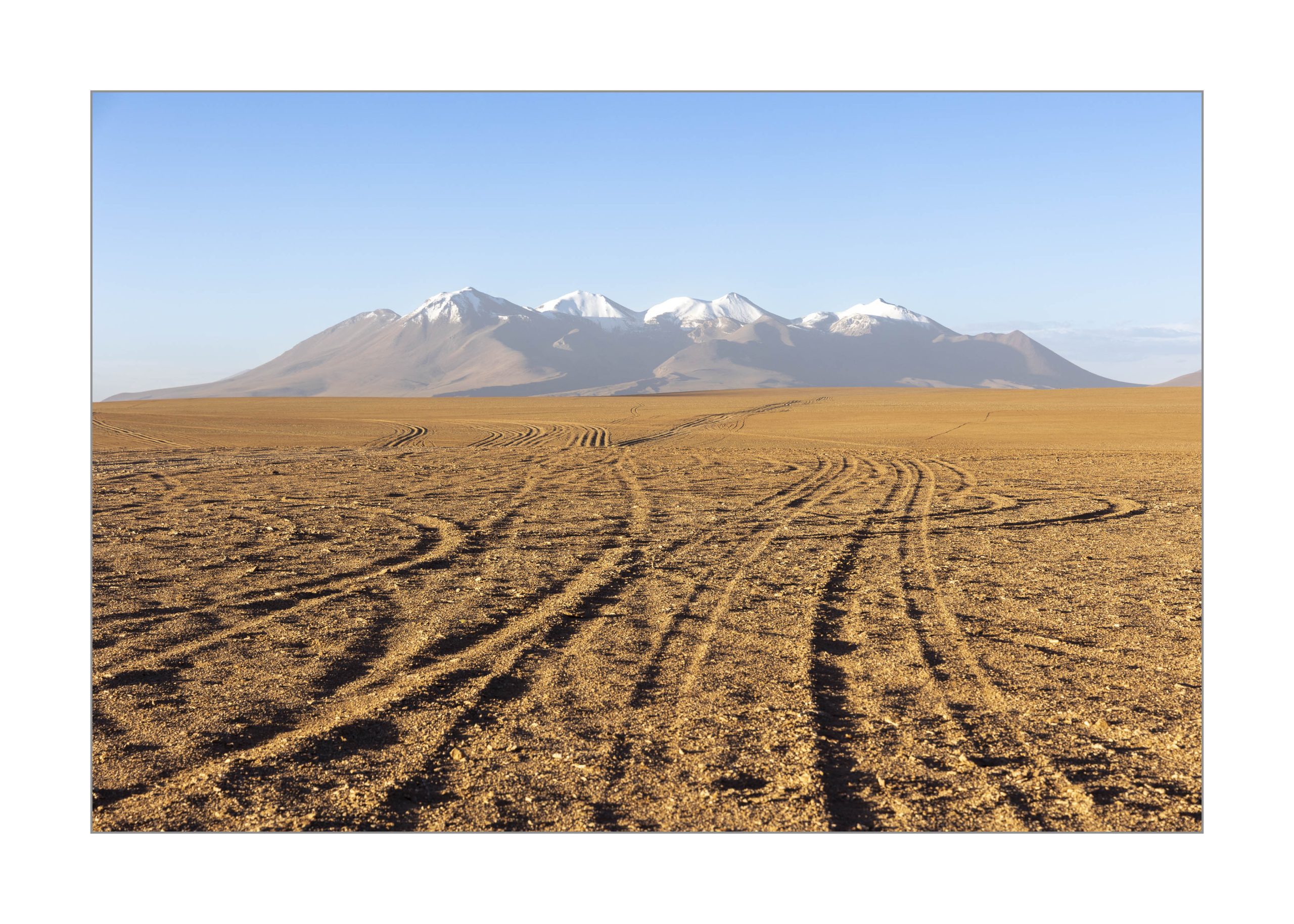
Though we did travel on roads some of the time, much of the exploration was done on established routes across the Bolivian altiplano (high elevation desert) that are only distant relations to actual roads.
Altitude
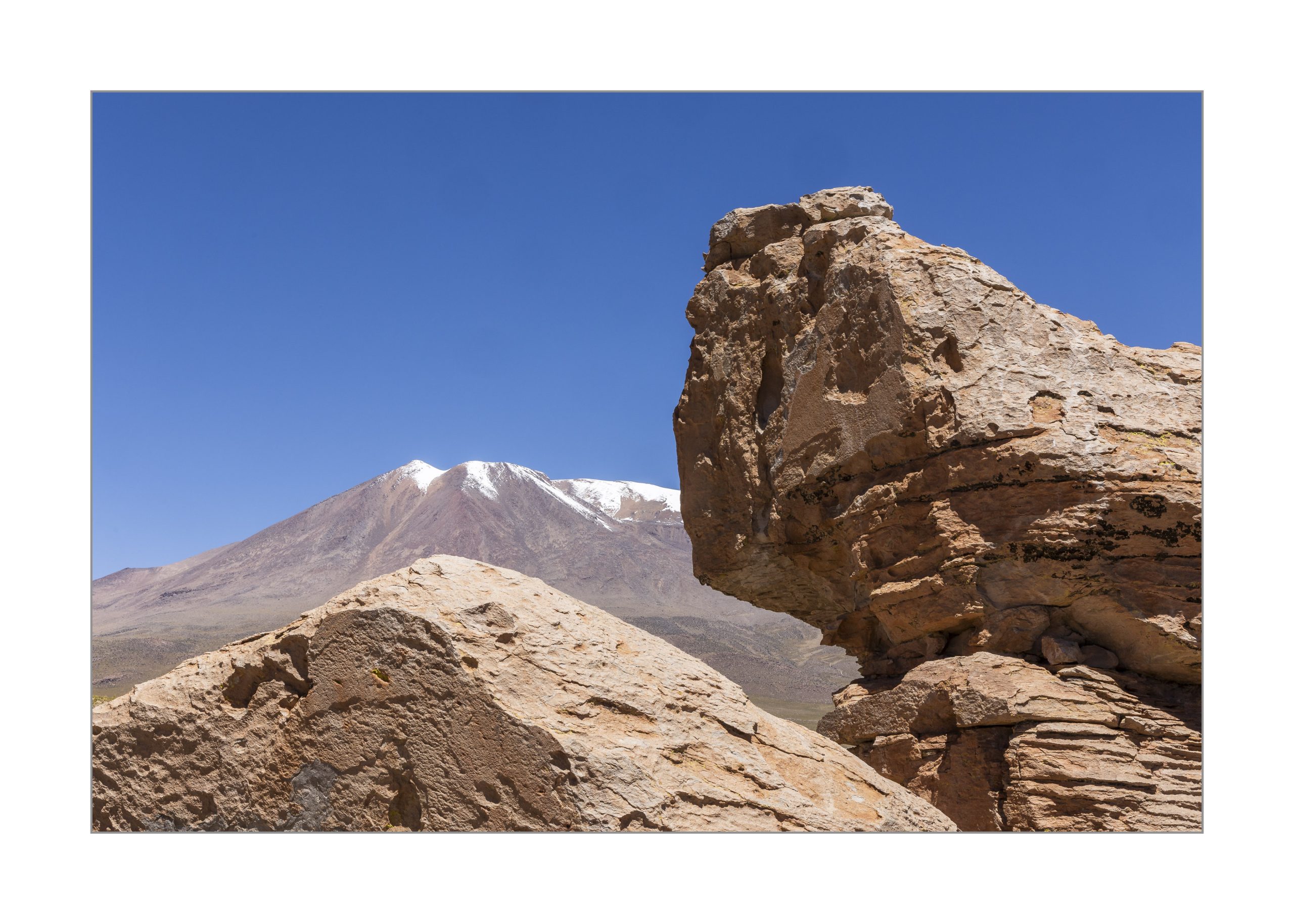
La Paz at an elevation of 3,650 m (11,970 ft) , was the lowest altitude on the Bolivia part of the trip. Our highest point was just shy of 5,000 m (16,400 ft). My overall health and activity level is decent but not athletic. I was generally ok with the altitude, and didn’t take any medication though most people on the trip were taking diamox. I quickly learned to walk slower than I normally do. The one exception to being ok with altitude was sleeping. At the end of the day I would fall asleep exhausted and would sleep soundly for 3 / 4 hours. I would then wake up being very conscious of every breath. For the remainder of the night I would be in that waking sleep, which is the same experience I have if I am worried or stressed about something. By the tour’s end, I was sleep and oxygen deprived, and incredibly grateful for having had the opportunity to see a very special part of the world. Another aspect of the altitude is that Bolivia has skies of blue in shades that need to be seen to be believed.
El Salar – Salt Flats – Salar de Uyuni
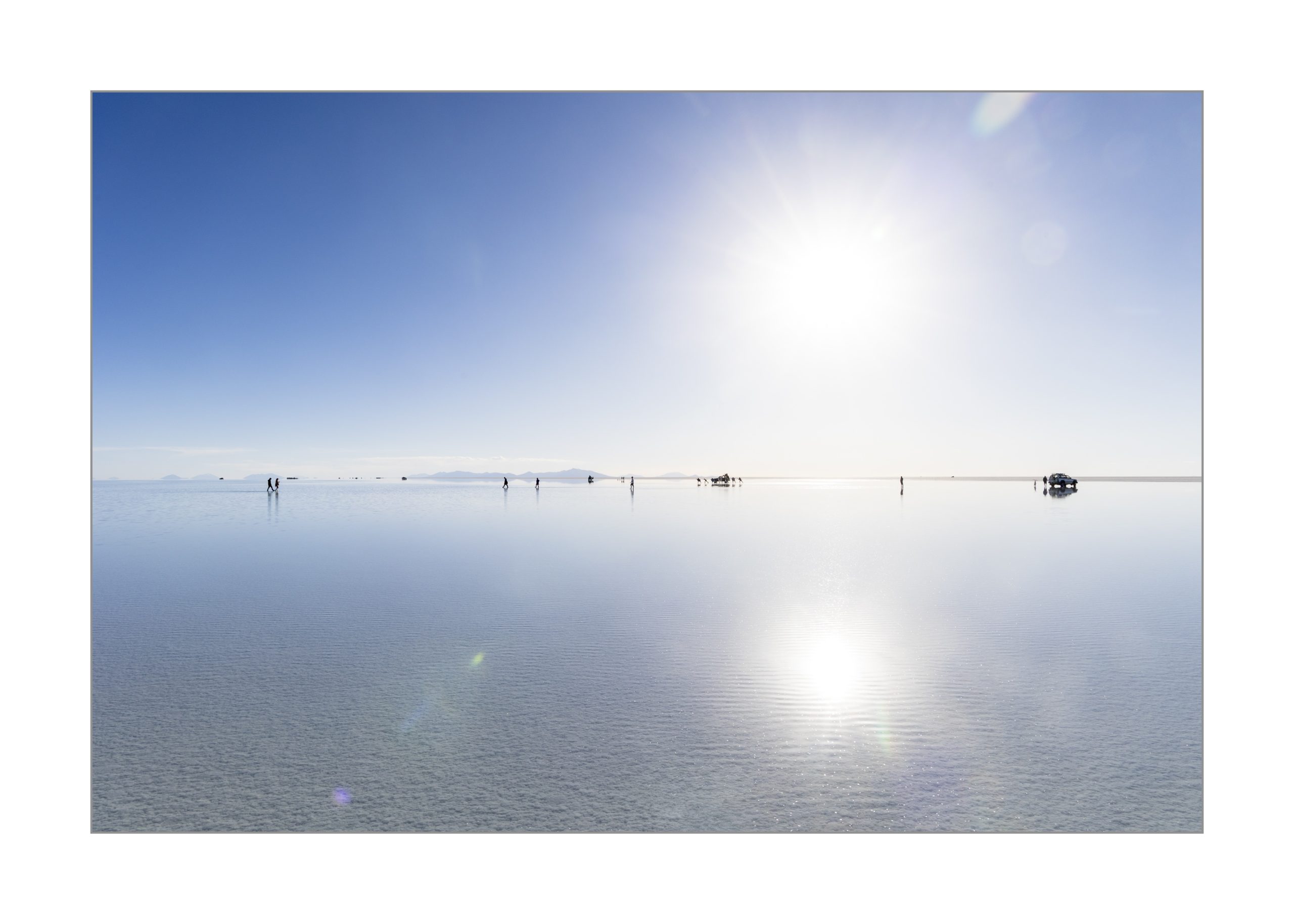
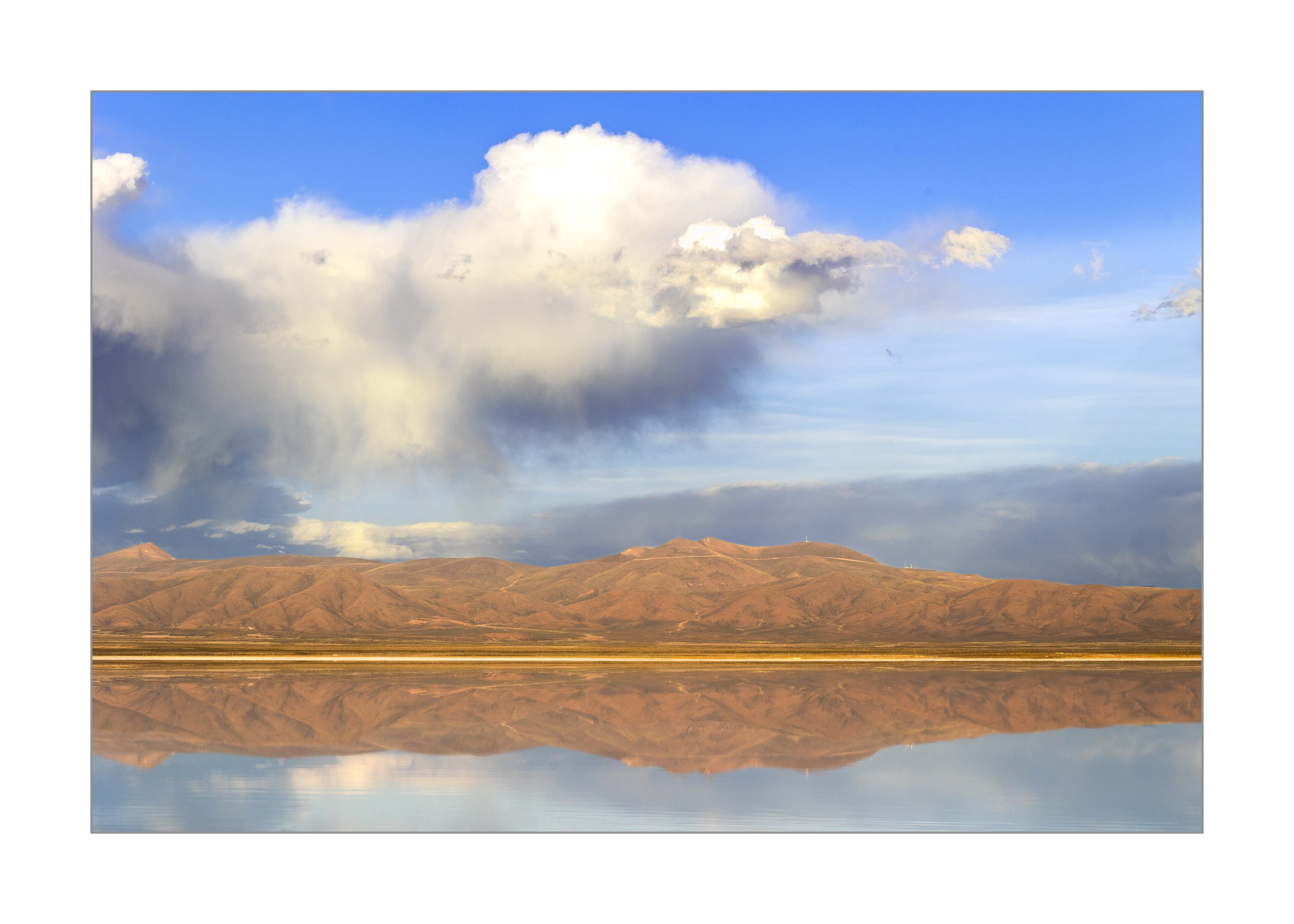
“Salar de Uyuni is the largest salt flat in the world, with an area of approximately 10,580 square km (4,085 mi2), and is at an elevation of 3,656 m (11,995 ft) above sea level. The Salar was formed as a result of transformations of seven Late Pleistocene lakes whose progressive desiccation led to the accumulation of extensive evaporitic salt deposits. The average elevation varies by less than one meter over the entire area of the Salar. Following rain, a thin layer of dead calm water transforms the flat into the world’s largest mirror, 129 km (80 miles) across.“ [1]
Train Cemetery
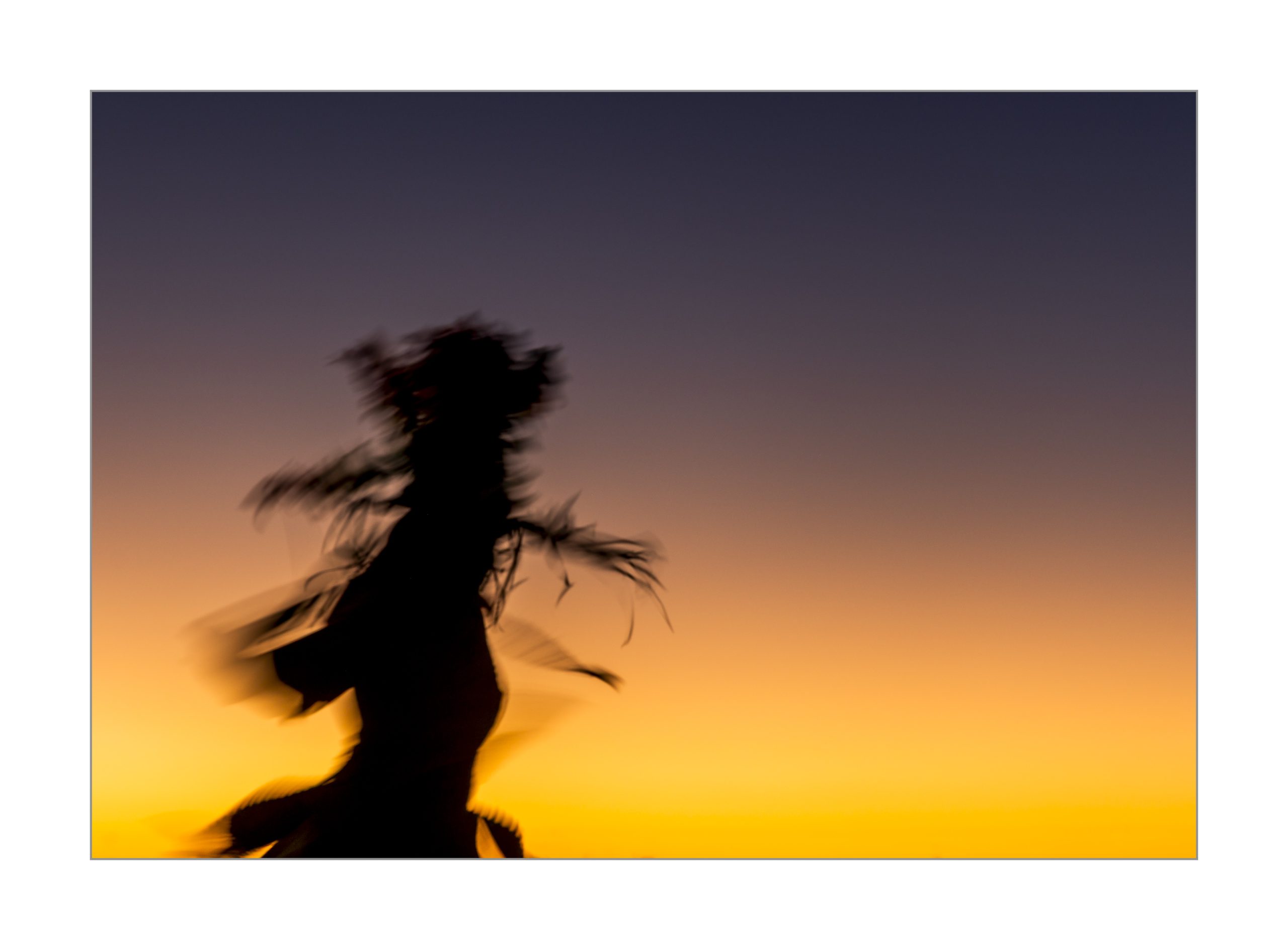
Once upon a time in the age of steam, Uyuni was a railway transportation hub. When the silver mines became non-viable and the steam age had past 100’s of pieces of rolling stock were left to rust on over 2 km of abandoned track. We visited the cemetery twice. On the second visit, Dave and Paul had arranged for us to work with two models each wearing different traditional regional specific clothing.
Pulacayo
A half hour taxi ride outside of Uyuni lies the silver mining settlement of Pulacyo, which was founded in 1833. Three of us visited this now mostly abandoned community. At one point it had been teaming with miners and their families. Over the nearly two hundred years it was clear that it gone through multiple boom and bust cycles. Now, some people still live there performing unknown occupations. There are still people in the foundry and the little tram still carries a dozen people at time into the mine.
Geyser – Sol de Mañana
“The Sol de Mañana(“Morning Sun”) geothermal field is located at nearly 4,900–5,000 meters (16,000+ feet) in the Sur Lípez province near the Chile border. It is a high-altitude, volcanic, Martian-like landscape known for smoking fumaroles, bubbling mud pots, and intensely colored volcanic craters.” [2]
Yareta – An Ancient Plant
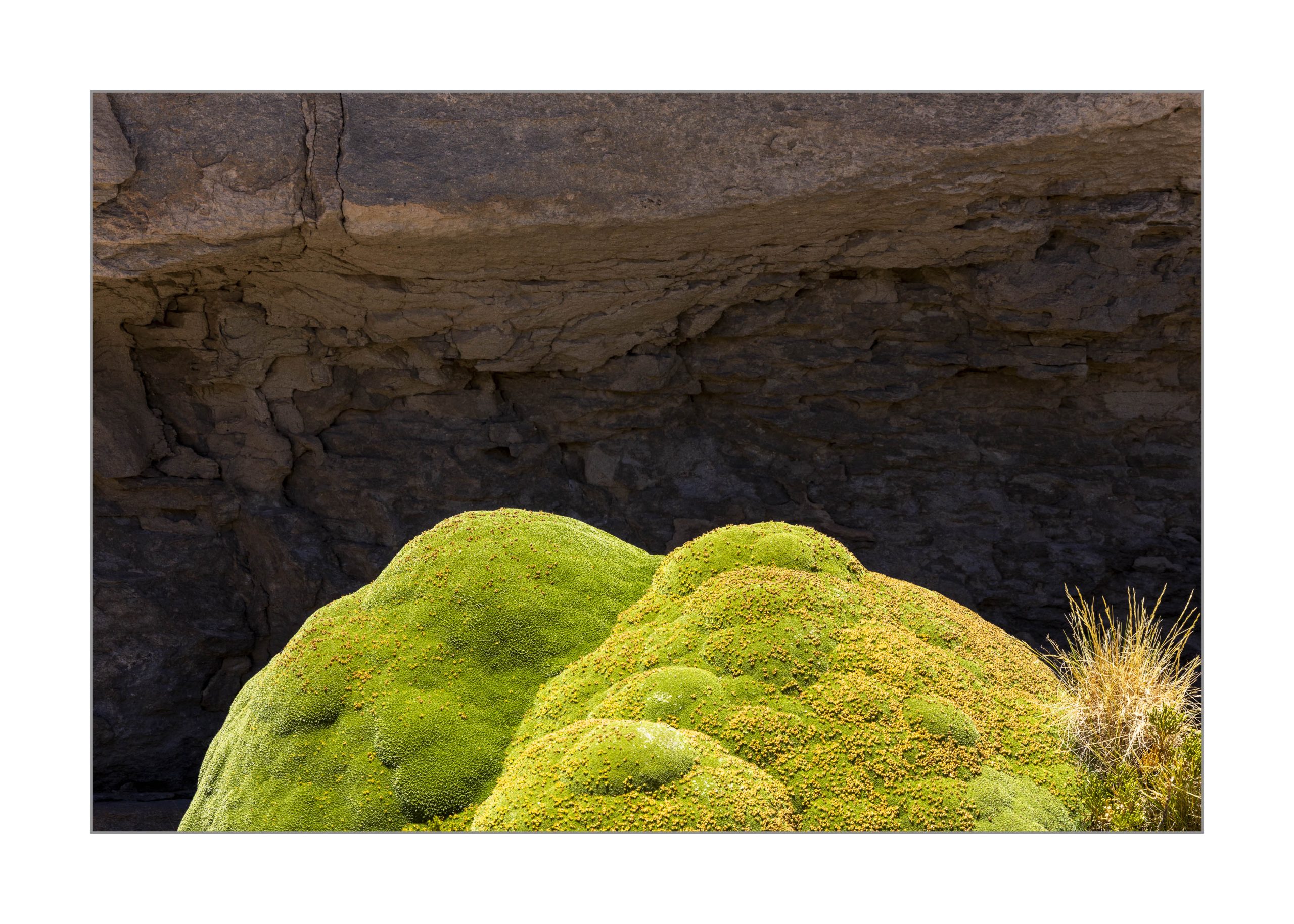
“Yareta is an evergreen perennial with a low, mat-like shape and hemispherical growth form that grows to around 6 m (20 ft) in diameter. The plant prefers sandy, well-drained soils, and cannot grow in shade. It can grow in nutritionally poor soils that are acidic, neutral or alkaline at altitudes of up to 5,200 m (17,100 ft). Yareta is well-adapted to high insolation rates typical of the Andes highlands. Yareta is estimated to grow approximately 1.5 cm (0.59 in) per year. Many yaretas are estimated to be over 3,000 years old. These oldest ones have been reported to grow as slowly as 1.4 mm per year.” [3] Tragically, in the steam age, these plants were used to fuel steam engines.
Footnotes
~ [1] – Adapted from https://en.wikipedia.org/wiki/Salar_de_Uyuni
~ [2] – Adapted from Google generated AI overview using the search term “Bolivia geyser” Also see https://en.wikipedia.org/wiki/Sol_de_Ma%C3%B1ana
~ [3] – Adapted from https://en.wikipedia.org/wiki/Yareta
Notes on Photos
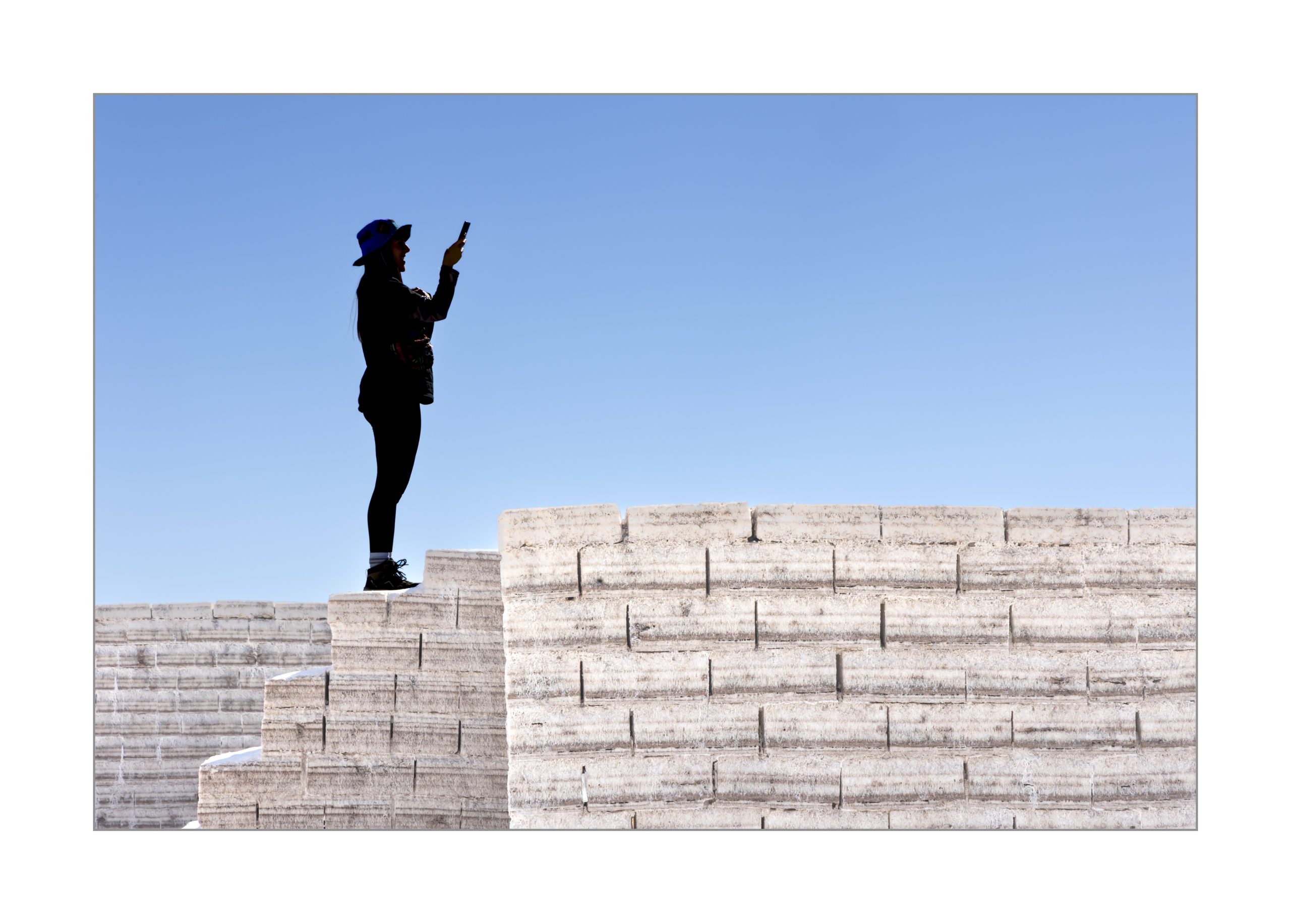
~ 1 – Just outside of the middle of nowhere on the salt flats there is a “garden” of large sculptures carved out of salt. There is also a labyrinth, a staircase, and a castle tower all made from blocks of salt. As a side note my 2024 solo exhibition (https://seandrysdale.com/shadows-passing/) was composed of 90 silhouettes.
The Editing Challenge
Sometimes I hear what other people say, and so it was when Dave, in the middle of a conversation we were having, offhandedly said I look forward to seeing you portfolio of 25 images or so. The words registered. Editing out the drek and the boring from around 4,000 image was easy. There were of course the lipstick problems. This, as some of you know, is the situation where I think a photo has good bones and just needs some tweaking. The tweaking turns into a major edit (30 minutes or more) and then my hand goes to my forehand as I realize the bones are bad, the photo is a pig, and no amount of lipstick can save it.
Somewhere during the 73 or maybe it was 29 collection review passes, the culling started to get interesting. What should be in this portfolio? How do I provide variation? Is there anything I want to communicate? I went down many a mental rabbit hole. I decided that the colour images and the black and white images needed to be in separate collections as those sets feel very different.
The Bolivia With Offbeat Portfolio
Here then for your viewing pleasure, in this post and the next two posts are twenty-five colour images and a dozen black and white images.
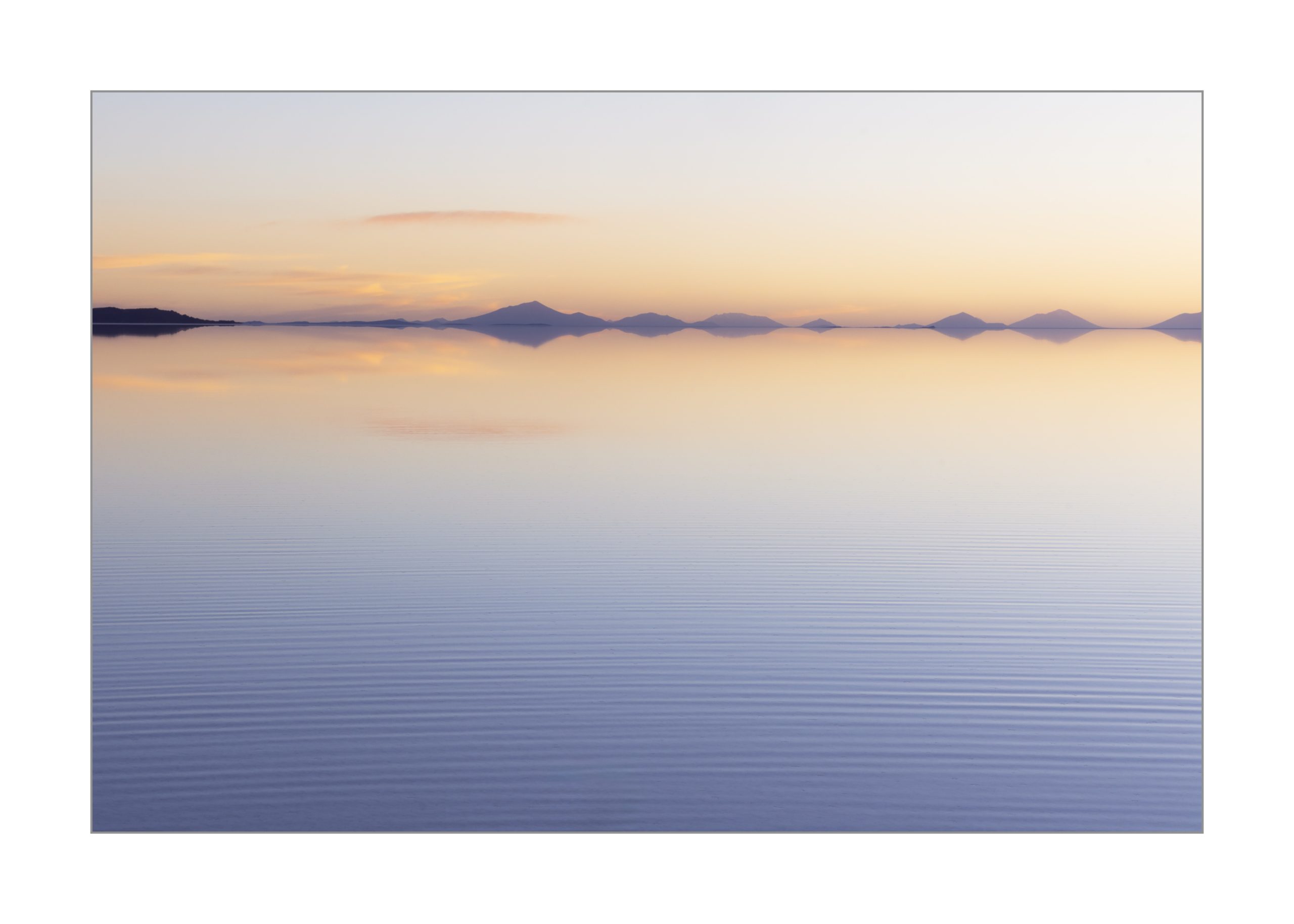
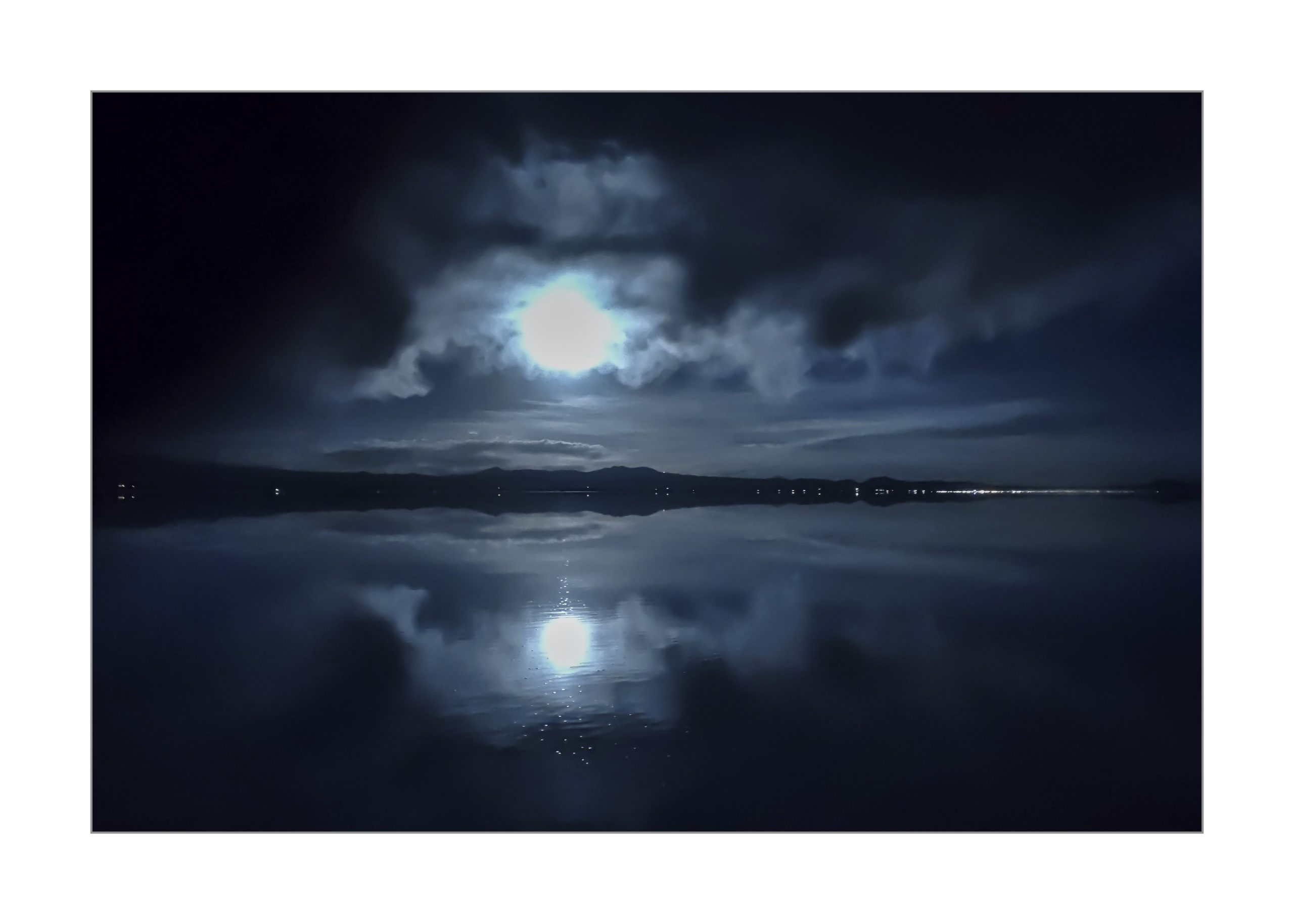
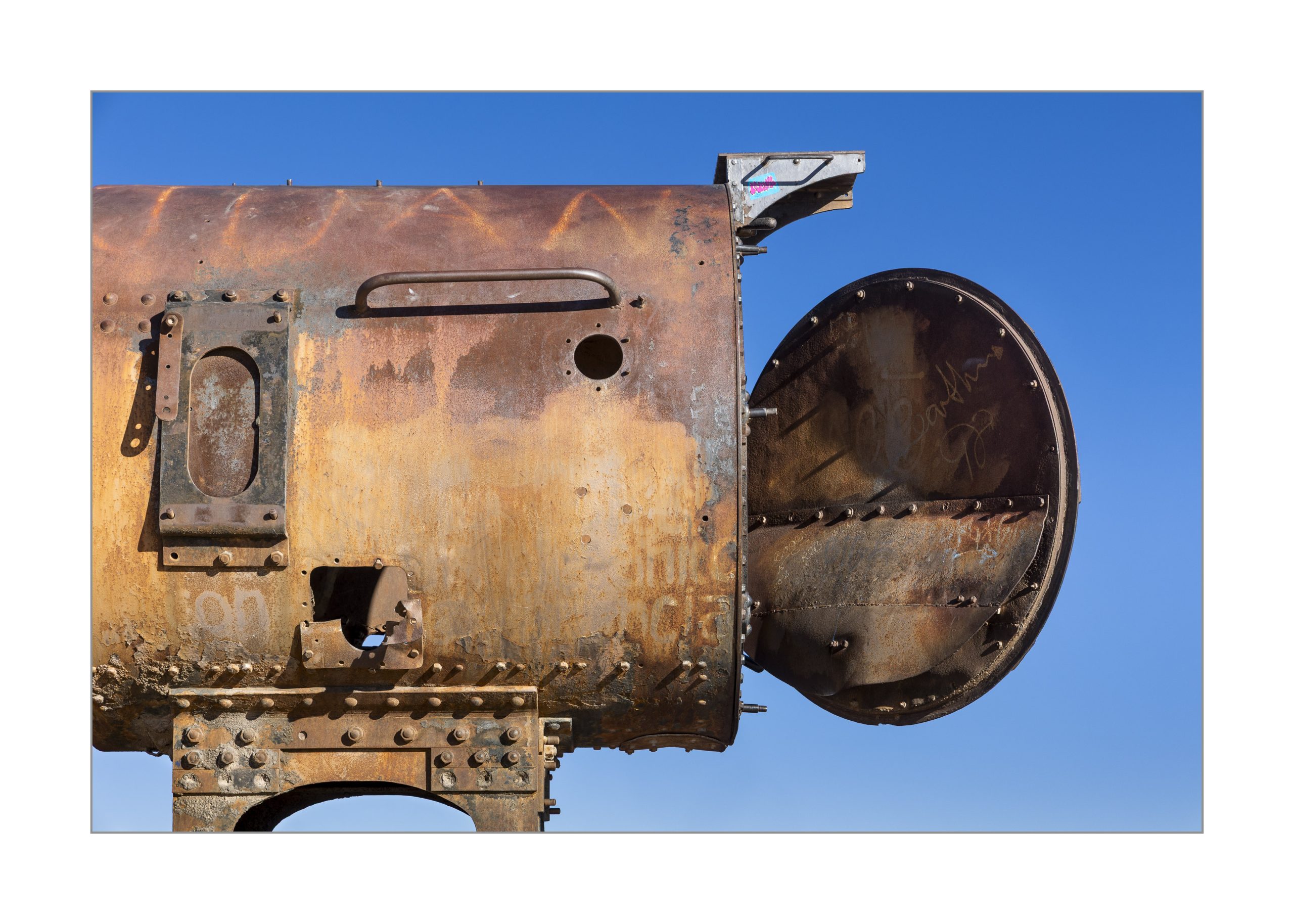
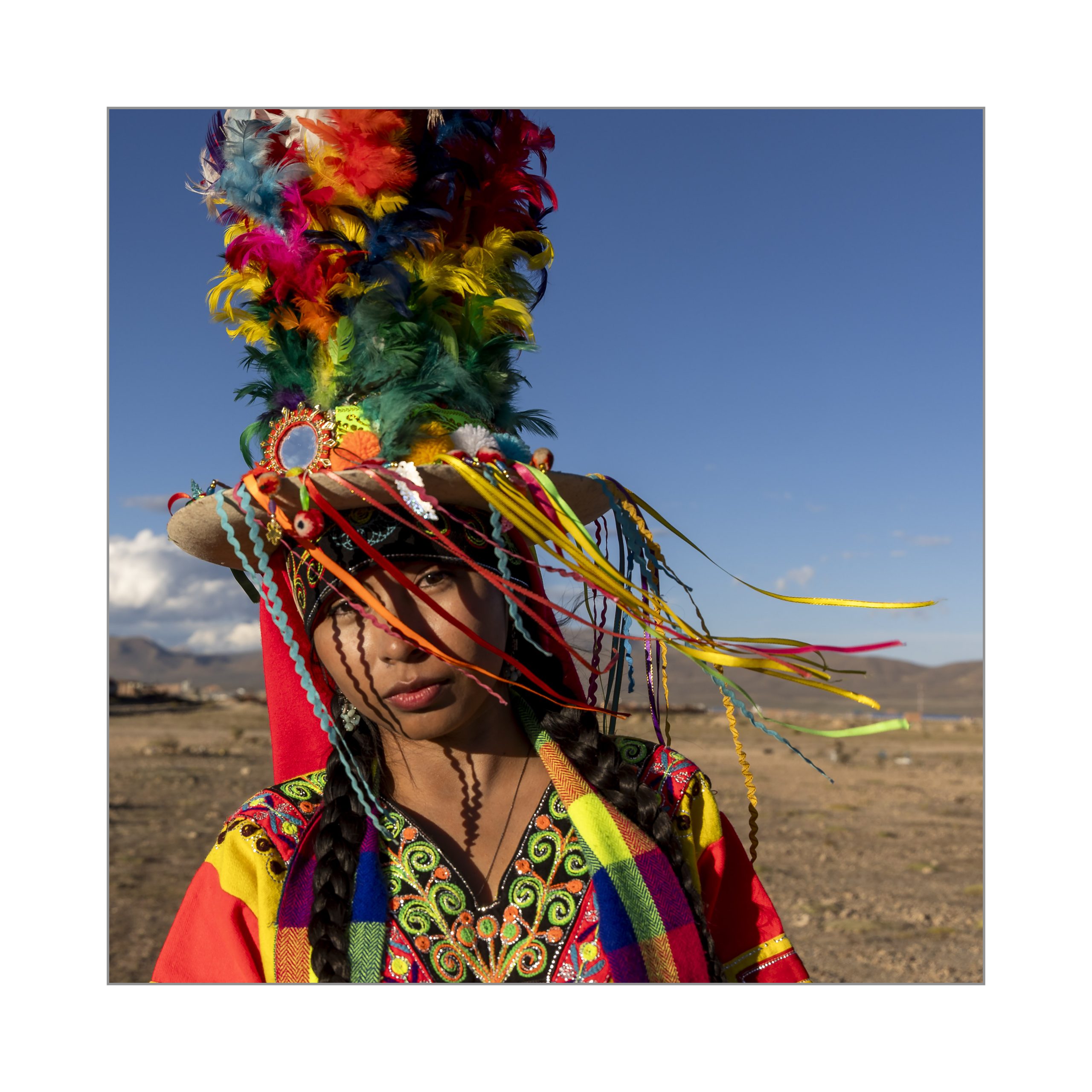
You are welcome to share a link to this page with others.
As always, all comments are welcome and sought.
Cheers, Sean
My note on privacy can be found under the “About” menu item, and if you would like to subscribe to this blog please enter your email.
All rights for all material on any and all media and technologies reserved – © Sean P Drysdale 2017-2026
I think you were correct to separate the colour from B&W images. I find that I can fairly easily get down to about 10% of a particular session. Winnowing within that starts getting difficult. I feel for you.
2- I needed sunscreen just to look at this image.
3,4- You know I love me a nice reflection.
5- This is outstanding! How long did you have to wait for the ripples from footprints to settle out. I can’t tell if my eyes are playing tricks on me, but it looks like the the image itself, frame and all, is skewed slightly counter clockwise. I can’t imagine how such a thing could be.
6- After several viewings I still do not know what to think of this one.
7- I’m pretty sure I’d have loved the train cemetery.